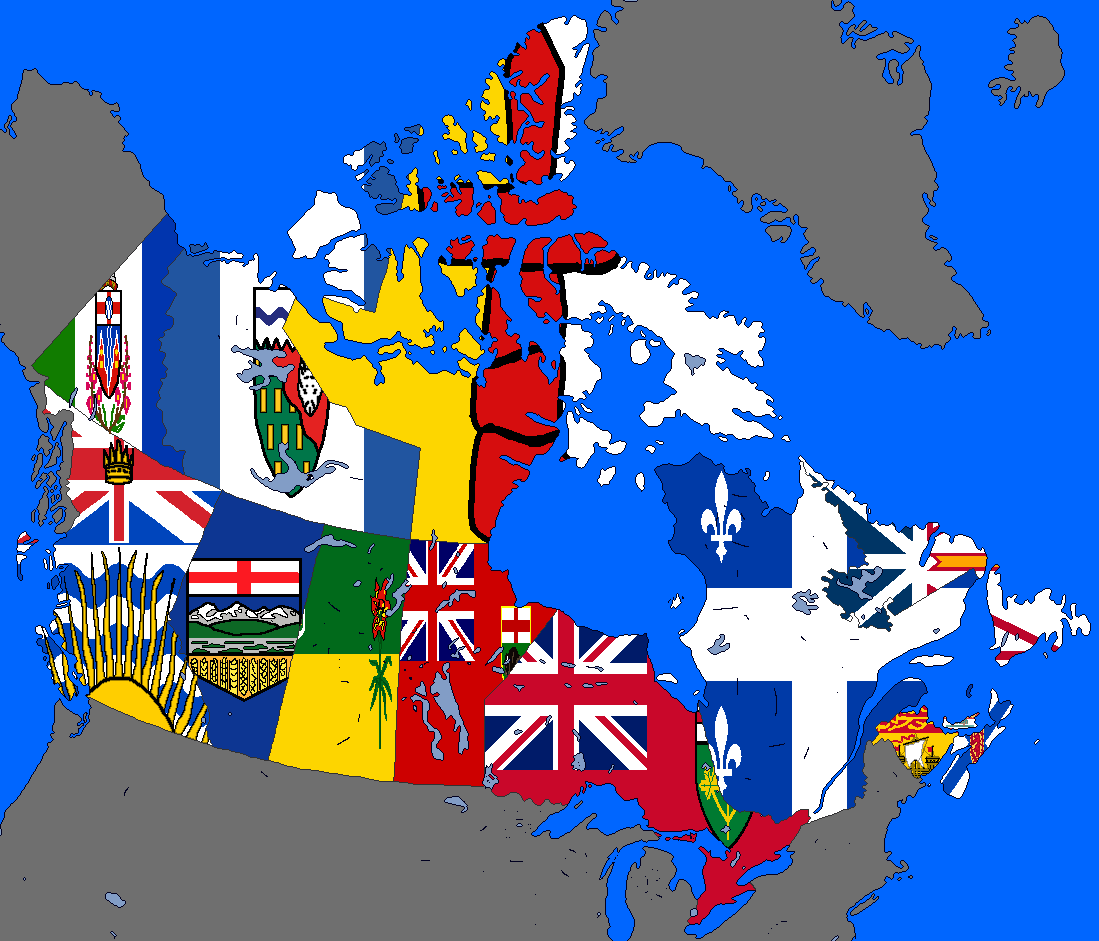
Two people earn the exact same $100,000 salary. One lives in Vancouver, the other in Halifax. They do not take home the same money — and the gap is bigger than most people expect.
The headline number
On a $100,000 salary in 2025, take-home pay ranges from about $73,989 in British Columbia down to roughly $67,030 in Nova Scotia — a spread of nearly $7,000 a year for the identical paycheque, decided entirely by which side of a provincial border you sleep on.
$100,000 take-home, ranked (2025)
| Province | Take-home pay |
|---|---|
| British Columbia | $73,989 |
| Alberta | $72,759 |
| Ontario | $72,560 |
| Saskatchewan | $70,389 |
| Manitoba | $69,644 |
| New Brunswick | $69,393 |
| Newfoundland & Labrador | $68,649 |
| Prince Edward Island | $67,912 |
| Quebec | $67,893 |
| Nova Scotia | $67,030 |
(Single employee, employment income only, standard credits — from our [take-home calculator](/tools/take-home). Browse each province at [salary after tax by province](/salary-after-tax).)
Why the gap exists
- Provincial tax brackets and rates. Nova Scotia and Quebec apply higher provincial rates at this income; Alberta and B.C. are gentler.
- The basic personal amount. Alberta shields the first ~$22,000 of income from provincial tax; Nova Scotia shields far less.
- Surtaxes and premiums. Ontario adds a surtax and a Health Premium; Quebec runs its own pension (QPP) and parental-insurance (QPIP) deductions.
Run your own salary through every province with our take-home calculator, or jump straight to a common amount like $80,000 after tax in Alberta.