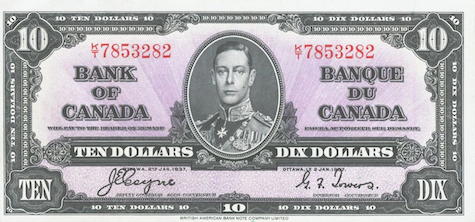
When Ontario created the Sunshine List in 1996, $100,000 was a genuinely elite salary. Nearly three decades later the threshold has never been raised — and inflation has quietly turned a list of “top earners” into one that now includes tens of thousands of nurses, police officers, teachers and mid-level managers.
The math that makes this go viral
A dollar in 1996 buys far less today. Adjusted for inflation using Statistics Canada CPI, $100,000 in 1996 is worth about $185,000 in today’s money. Put differently: to be as “rich” as a 1996 list member, you would need to earn roughly $185,000 now. The list hasn’t moved — the money did.
Check it yourself: our inflation calculator converts any past salary into today’s dollars using StatCan CPI.
The result is predictable and dramatic:
- The number of names on the list has exploded, growing many times over.
- Front-line professionals — not just executives — now routinely appear.
- The phrase “Sunshine List” has shifted meaning, from “highly paid official” to “earns a solid middle-class-to-upper salary.”
Why nobody fixes it
Raising the threshold is politically radioactive. Any government that lifts it to, say, $185,000 instantly removes tens of thousands of names — and invites the headline “Government hides public salaries.” So the threshold stays frozen, and the list keeps swelling. That tension is the story.
What this means for you
If you are a public-sector worker creeping toward $100,000, welcome to the list — but “on the Sunshine List” no longer means “wealthy.” The more useful question is what your salary is actually worth after tax: see $100,000 after tax in Ontario.